Cornwall Works
Canadian Industries Limited — Cornwall, Ontario
1935 — 2015 · In the shadow of the bridge
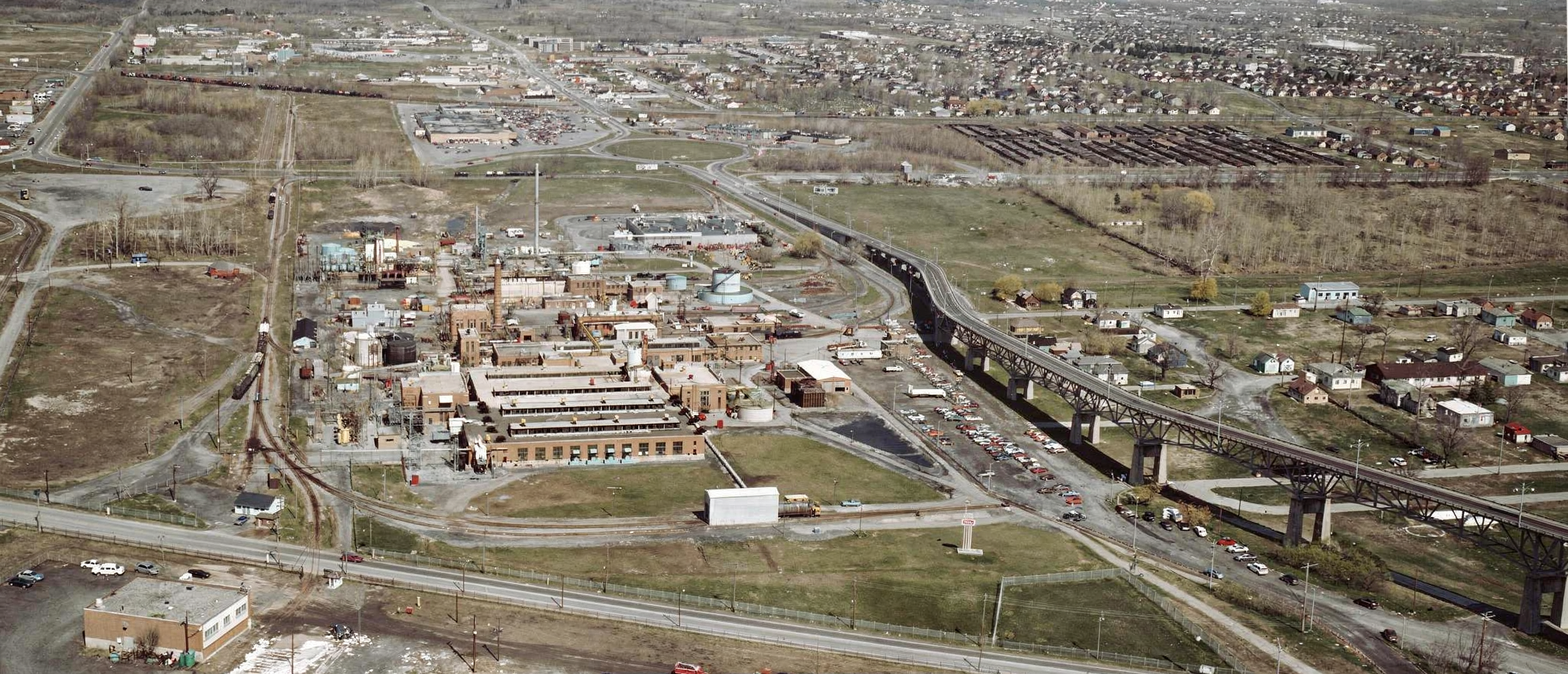 images/hero-plant-bridge.pngHero — the plant under the bridge
Canadian Industries Limited — Cornwall, Ontario
1935 — 2015 · In the shadow of the bridge
images/hero-plant-bridge.pngHero — the plant under the bridge
For the better part of a century, the orange oval was just part of Cornwall — on the paint, on the shells, on the plant down by the river. This is for the place, and the people who ran it.
C·I·L came to Cornwall in 1935, setting up on two parcels of land between the canal and Brookdale Avenue. The company flourished and became one of the city's busiest places to work — chemicals, and later the products that made the orange oval a household name.
In 1941 a new plant opened on the north end of the property dedicated to chlorine, run as a subsidiary called Cornwall Chemicals. The works handled serious materials, and ran its own inter-plant switching engines around the clock to keep the tank cars moving.
It all sat in the shadow of the high-level bridge — the landmark that frames nearly every photograph anyone ever took of the place. Tank farms, distillation columns, the drum yards stacked in red, green and blue: this was the plant in its working prime.
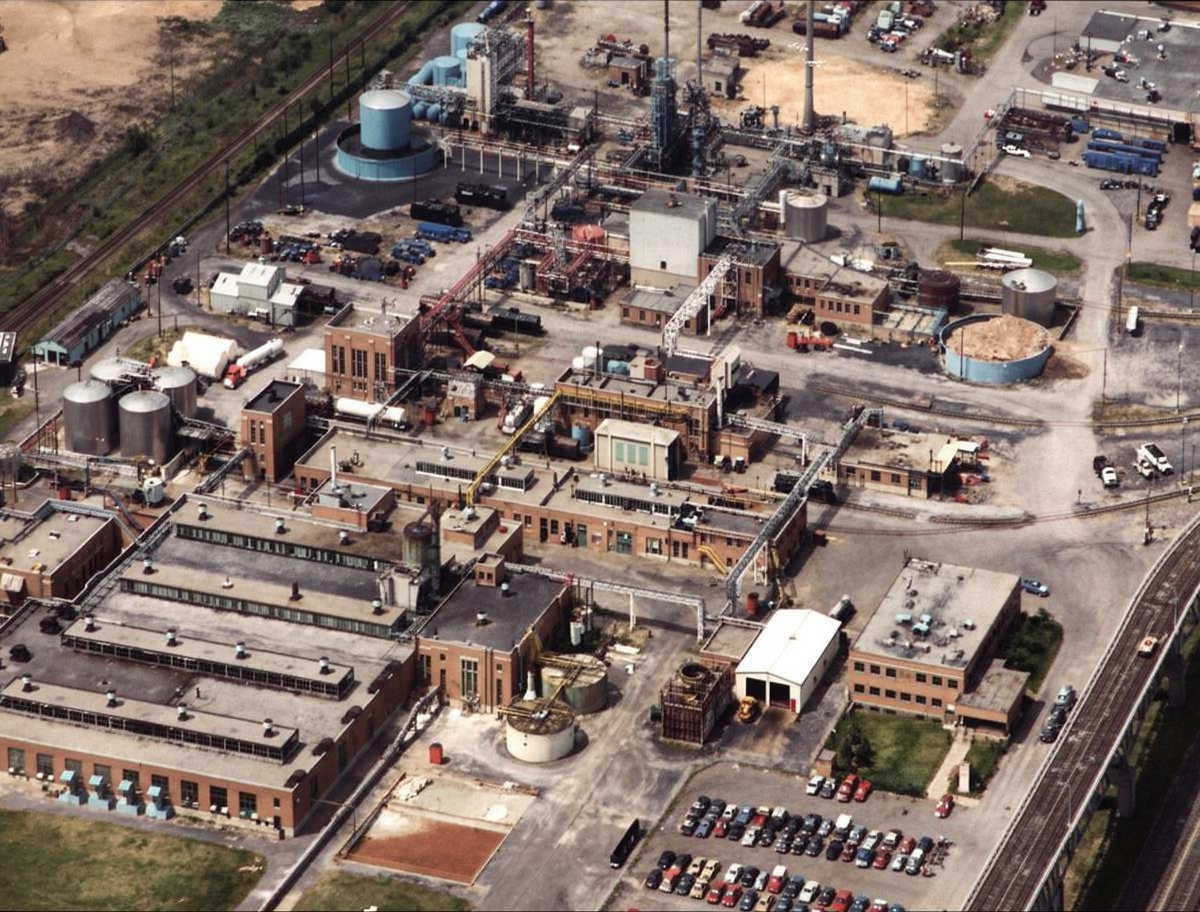 images/plant-01.pngAerial / the works
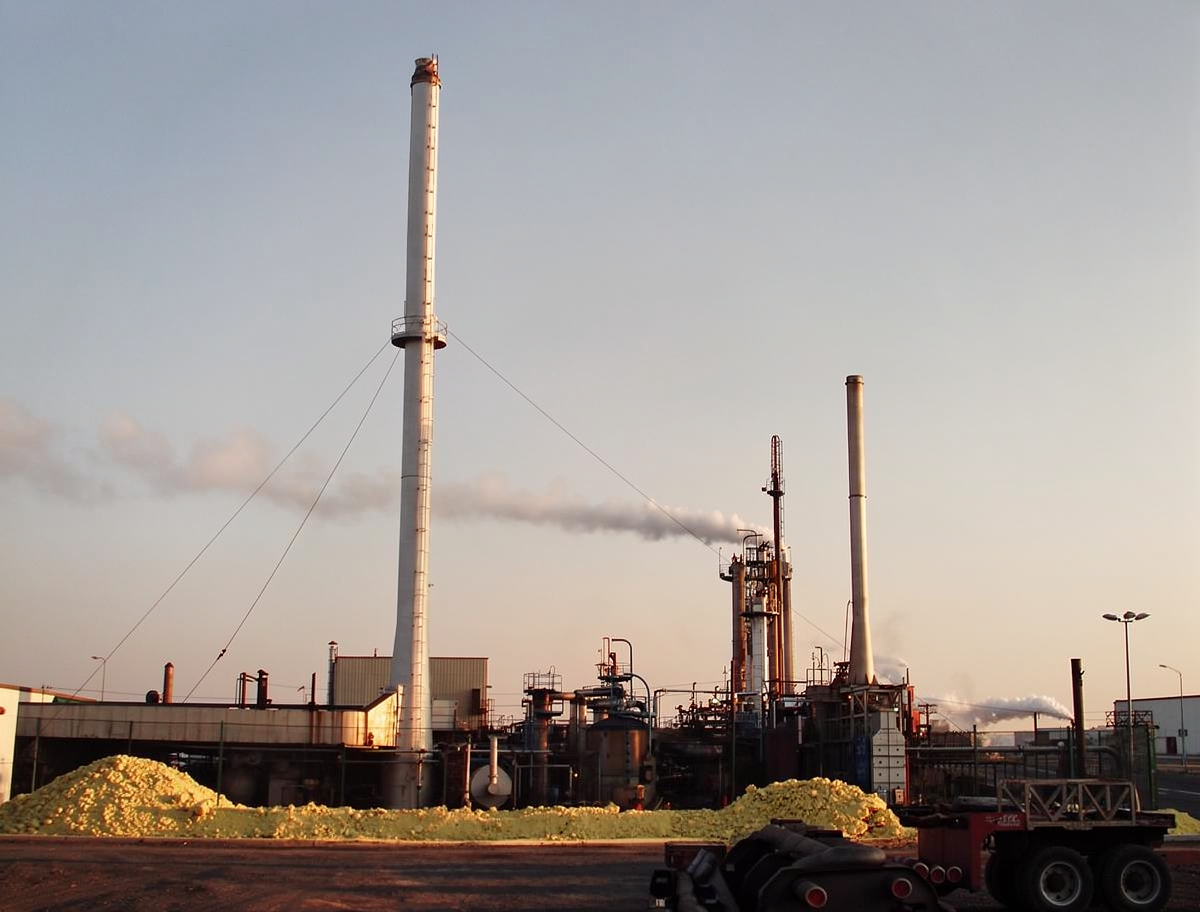 images/plant-02.pngProcess units
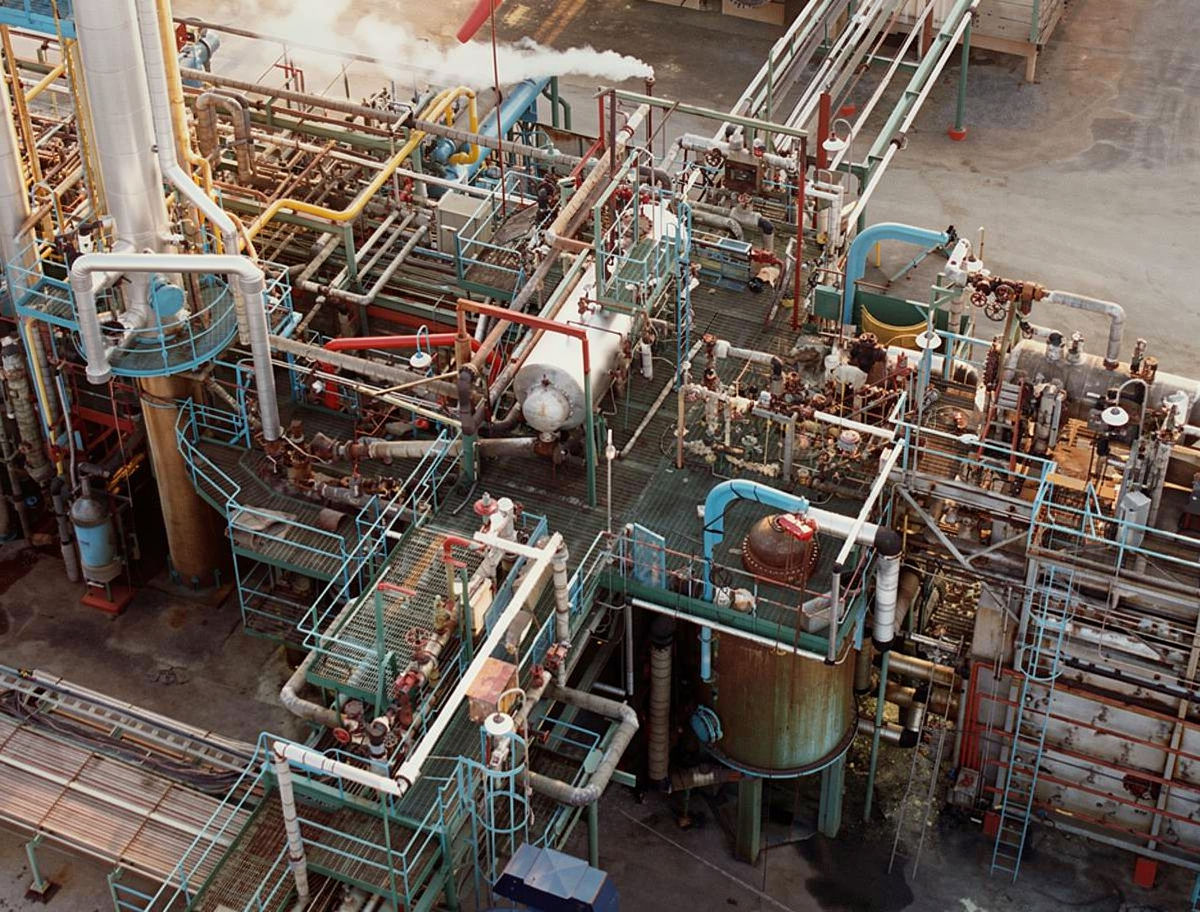 images/plant-03.pngProduct yard
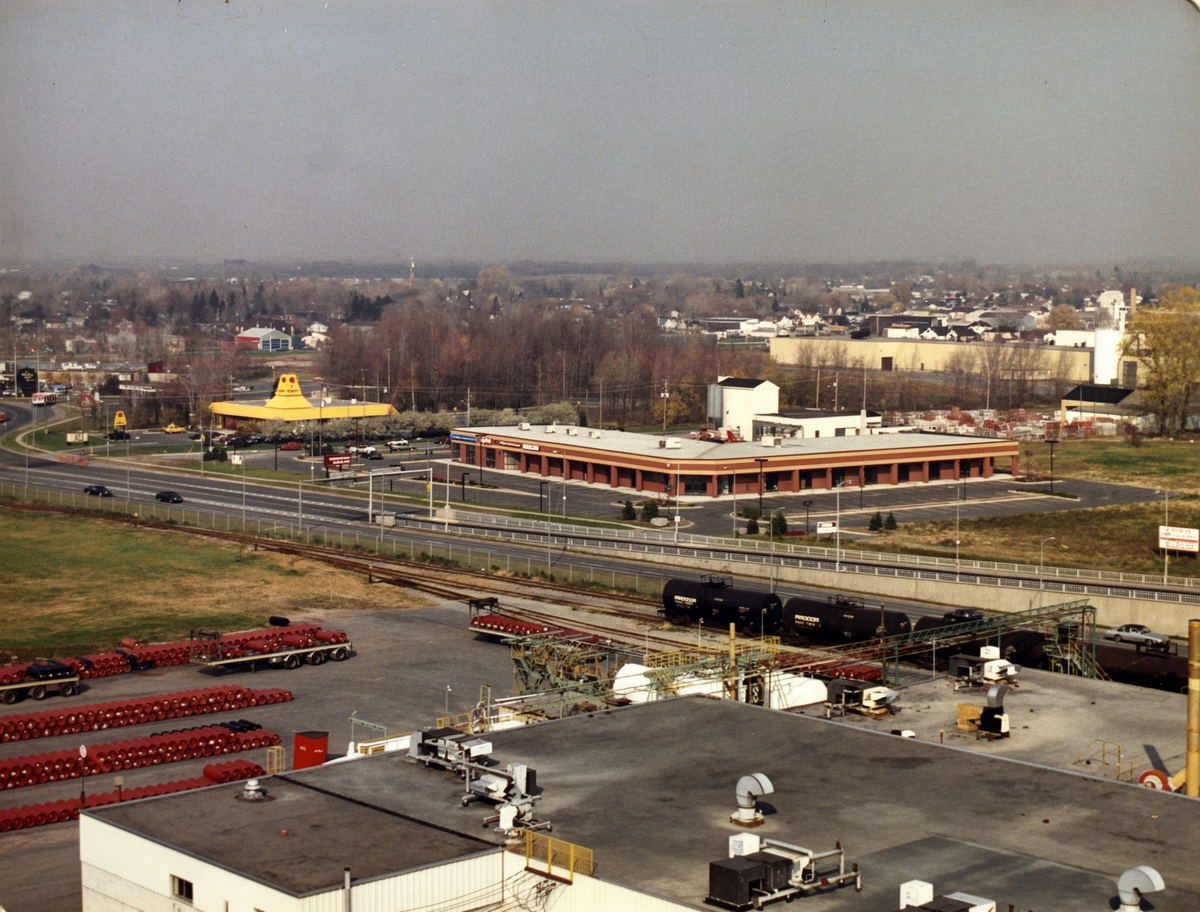 images/plant-04.pngAerial / the yard
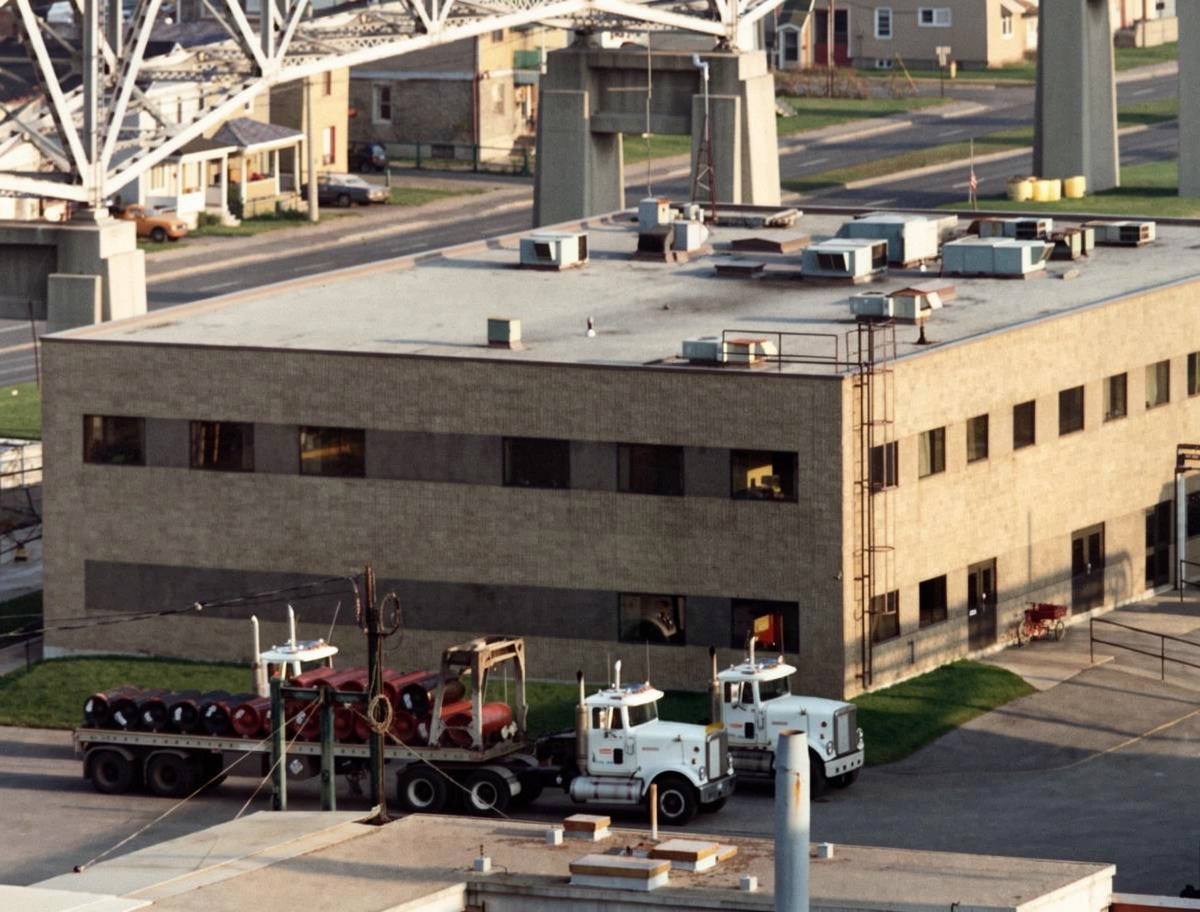 images/plant-05.pngOffice / the bridge
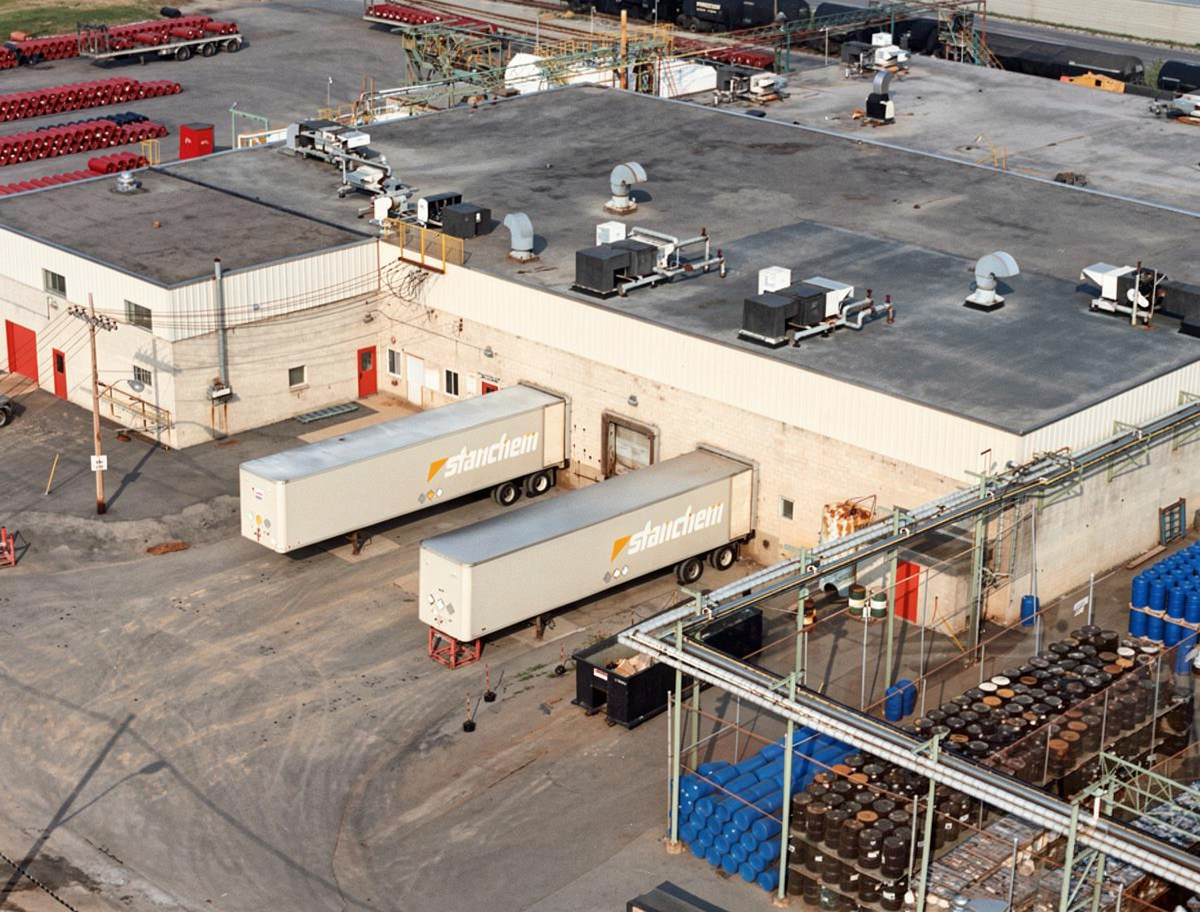 images/plant-06.pngShipping / Stanchem
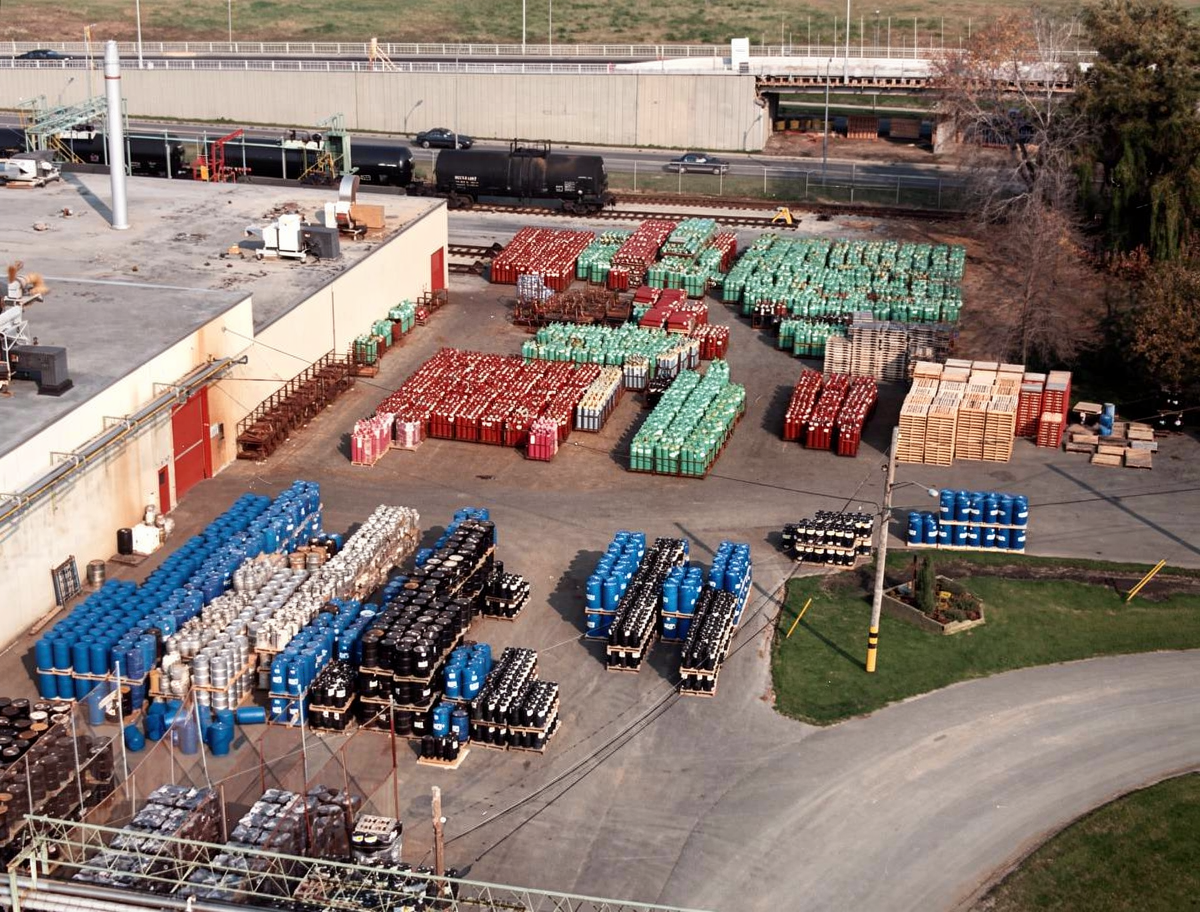 images/plant-07.pngCylinder yard
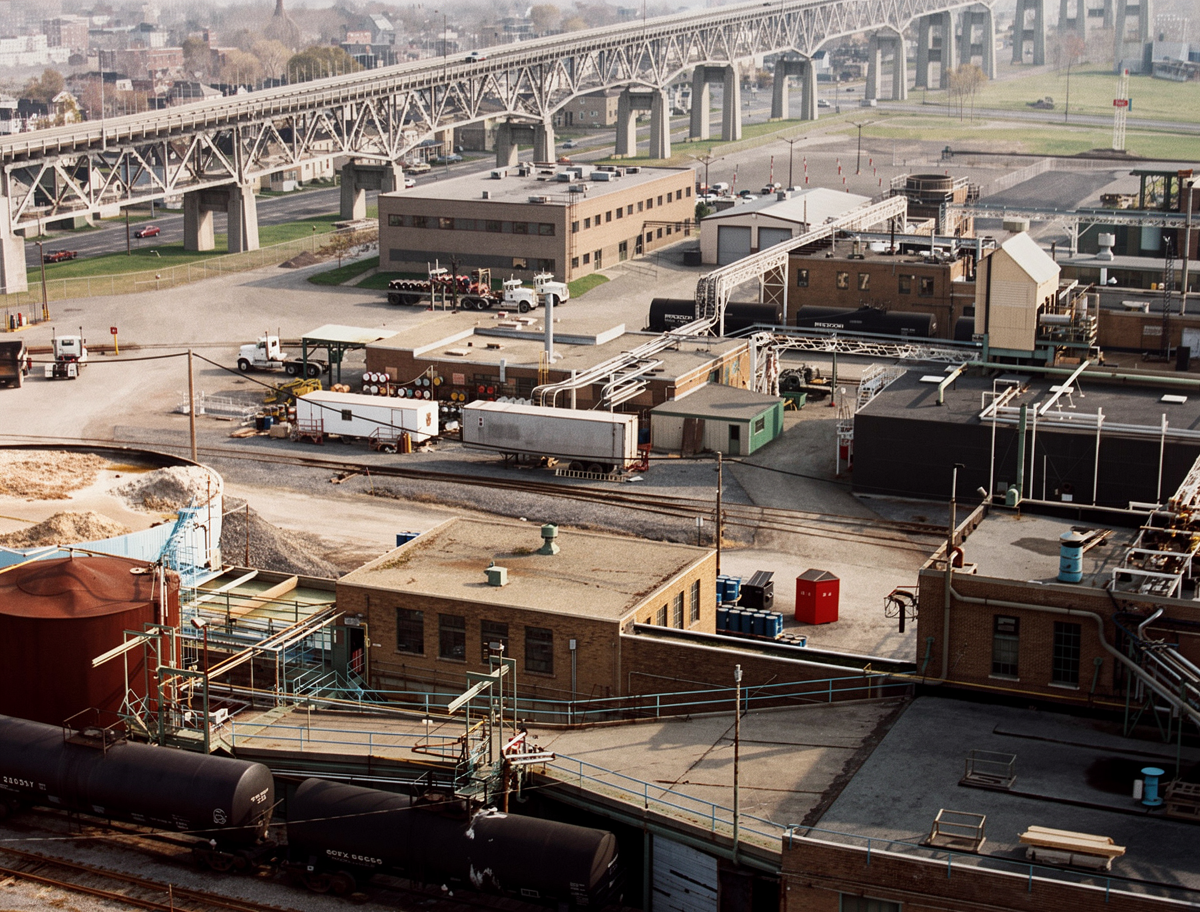 images/plant-08.pngThe works / bridge
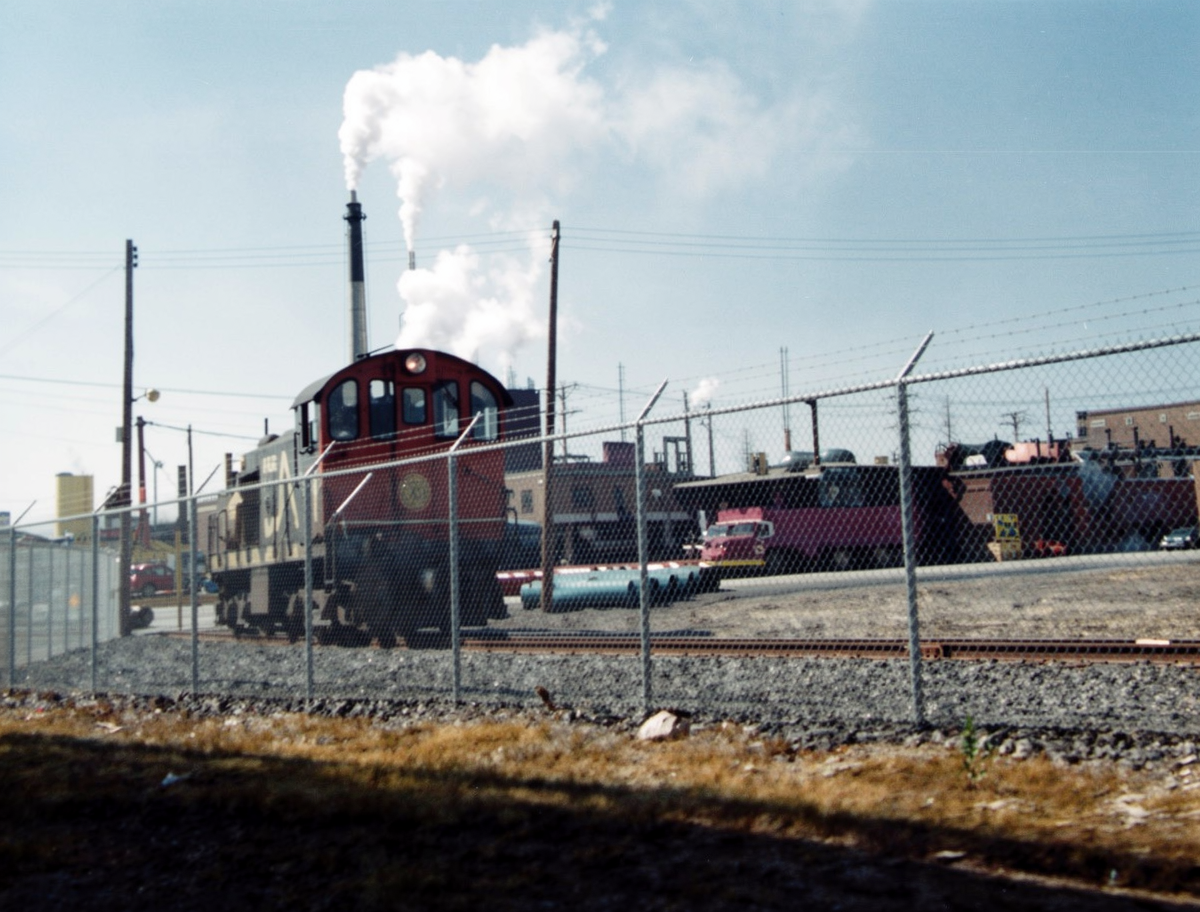 images/plant-09.pngSwitching engine
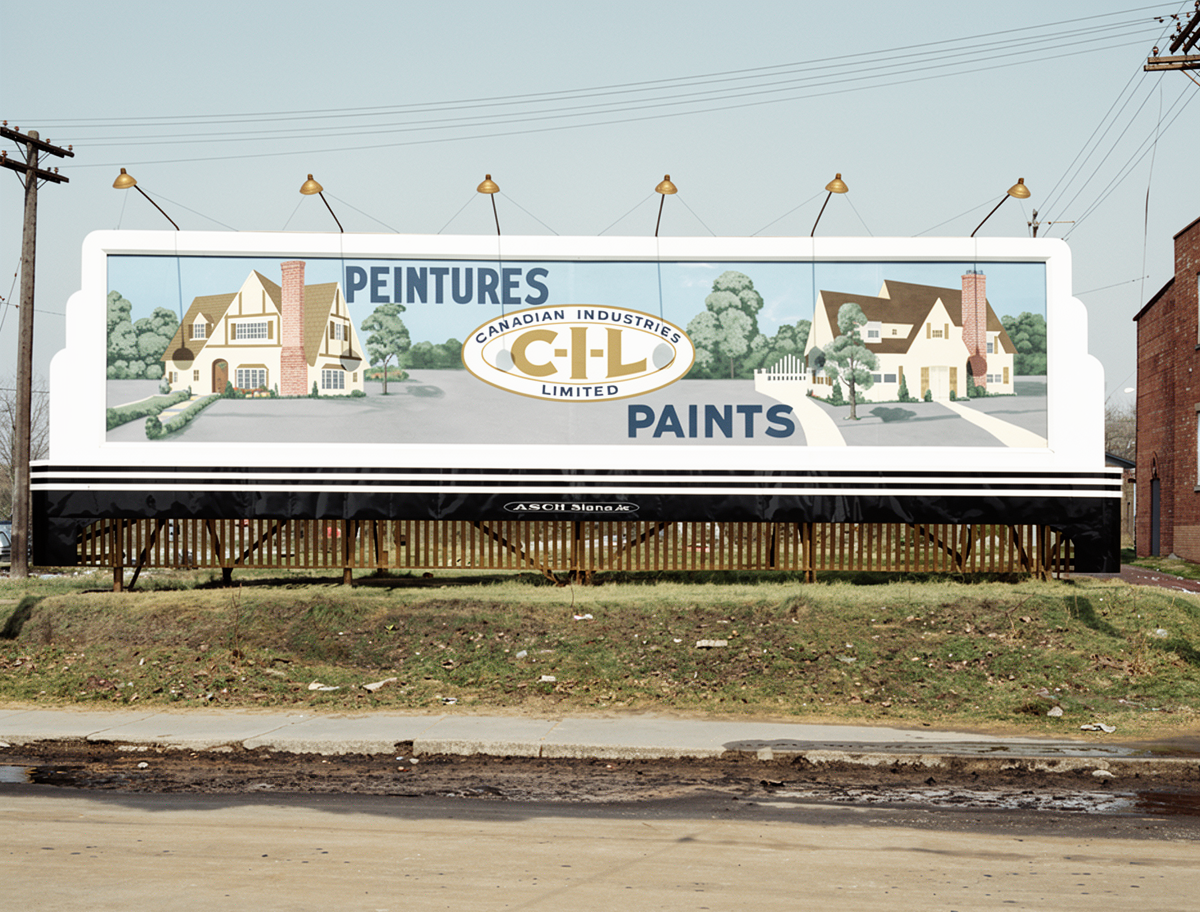
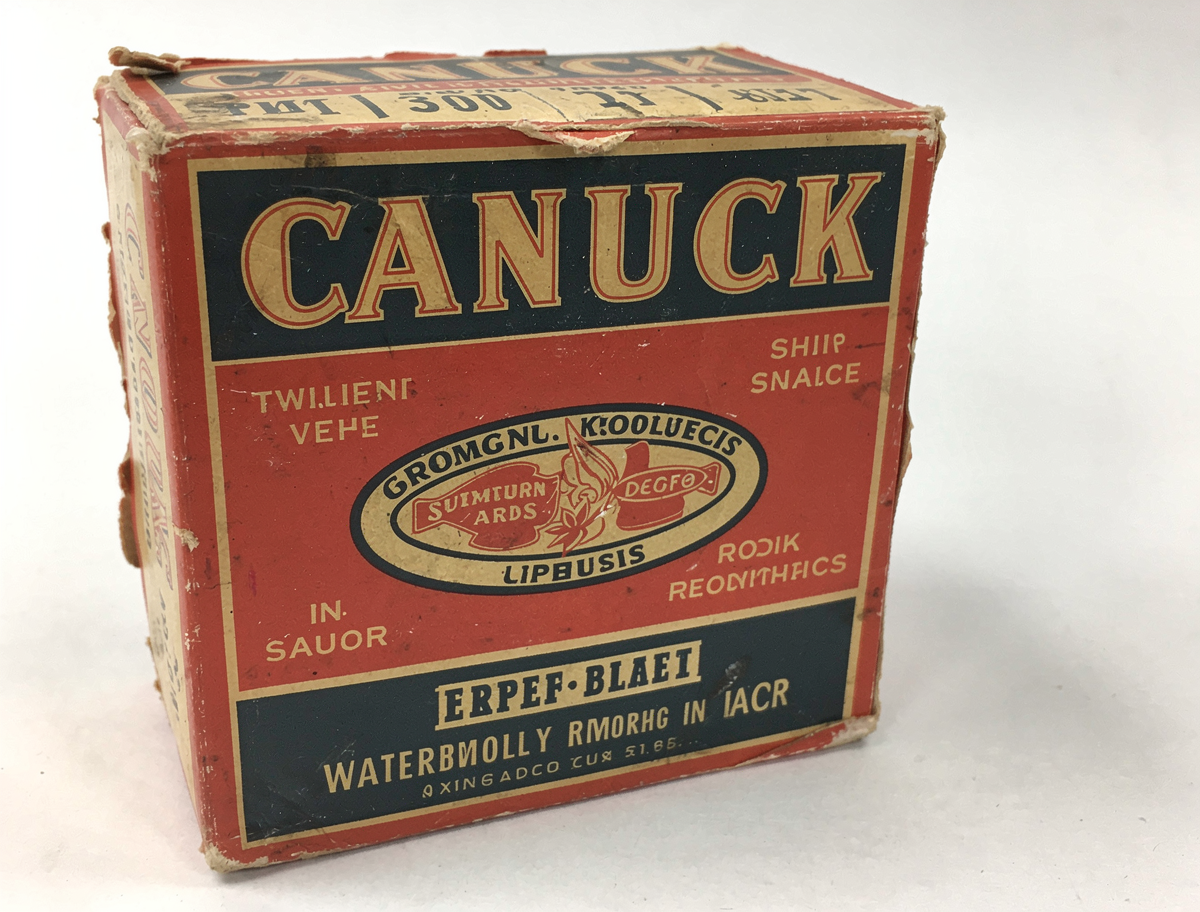
To most of Canada the oval meant paint — the C·I·L Paints sign hung outside every hardware store, the bilingual billboards lined the highways. To hunters it meant shells: the Canuck and Dominion boxes that sat on a shelf in half the garages in the country. Same oval, same Cornwall lineage.
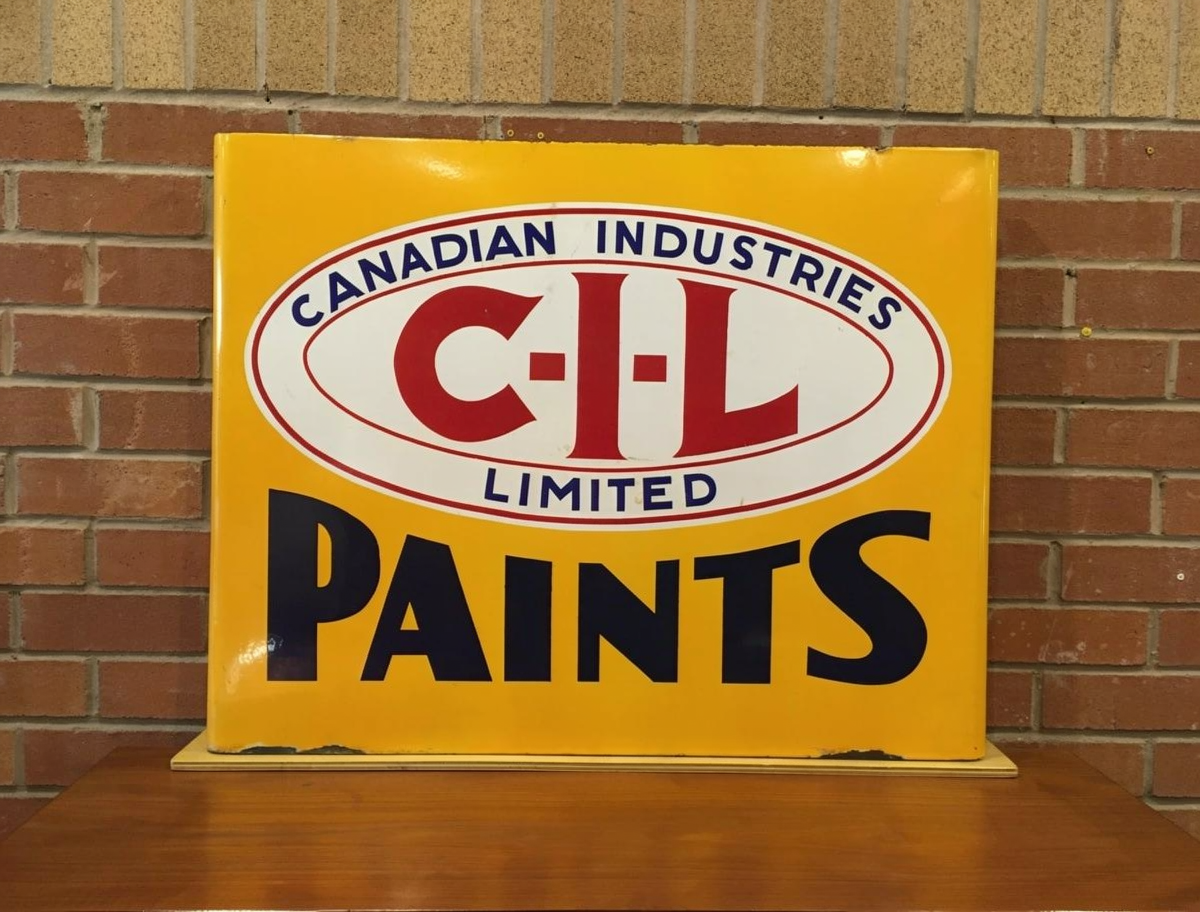 images/brand-sign.pngEnamel Paints sign
 images/brand-billboard.pngPaints billboard
 images/brand-ammo.pngCanuck shells
 images/mem-lighter-manhours.pngCornwall Works lighter
 images/mem-lighter-safety.png"Safety First" lighter
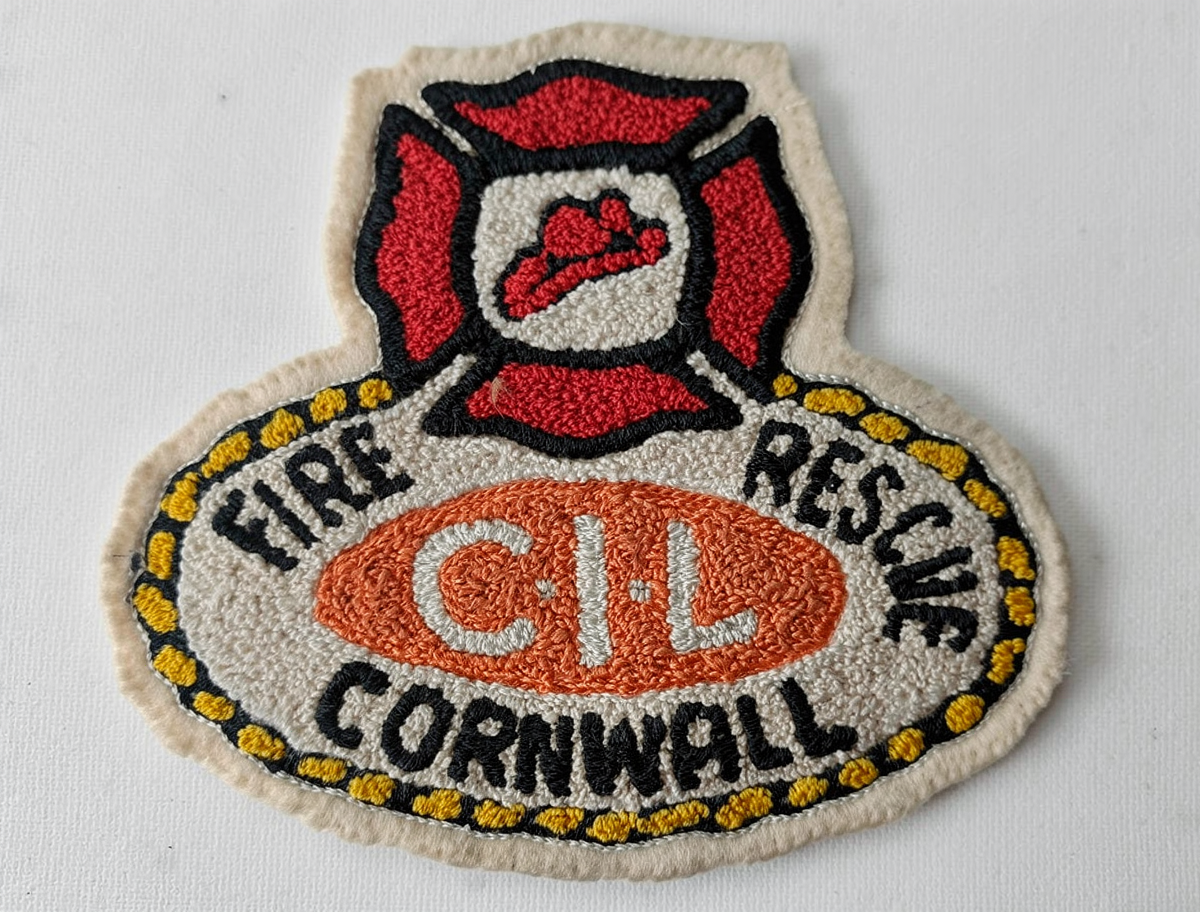 images/mem-patch.pngFire Rescue patch
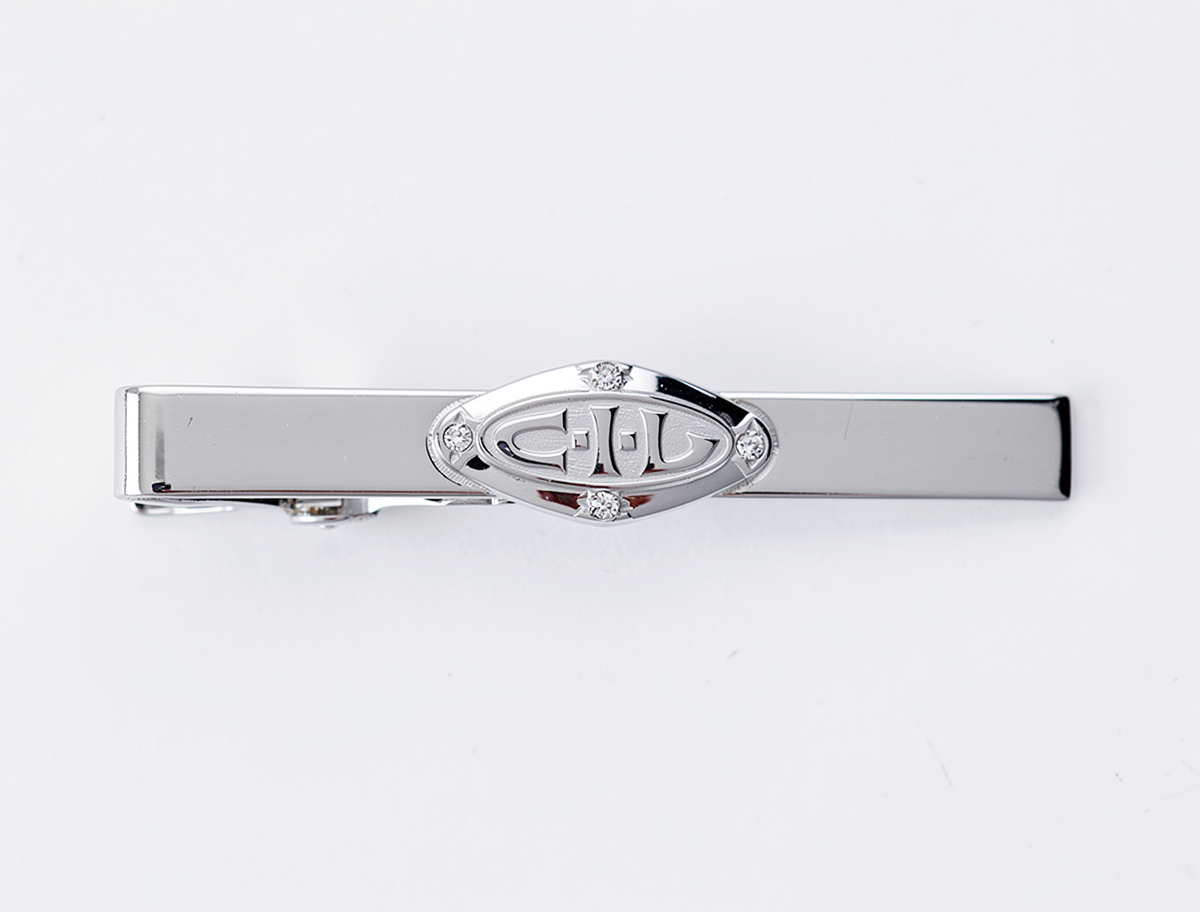 images/mem-tiebar.pngPresentation tie bar
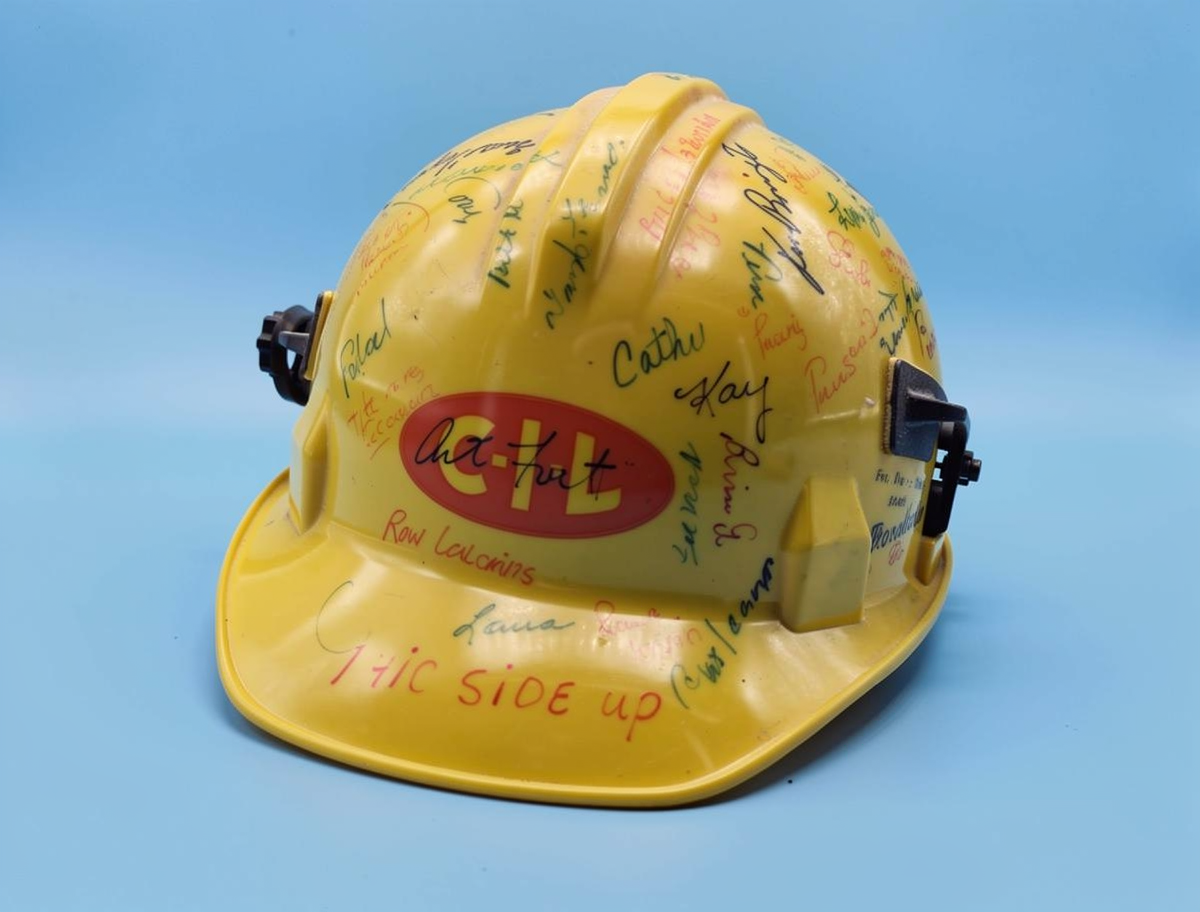 images/mem-hardhat.pngSigned hard hat
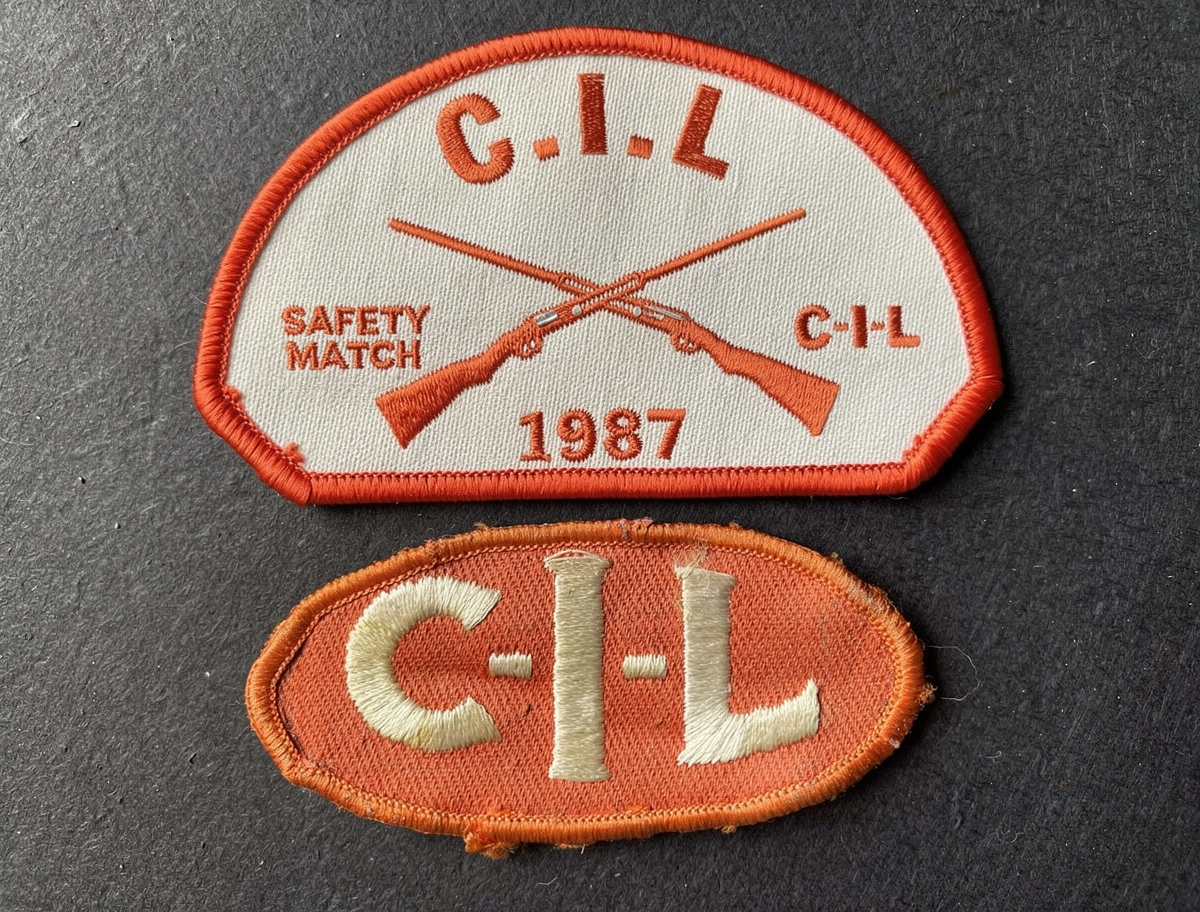 images/mem-extra.pngC·I·L 1987 patch
Established on two parcels between the canal and Brookdale Avenue.
A chlorine plant opens on the north end of the property.
Imperial Chemical Industries absorbs C·I·L; the Canadian company becomes ICI Canada in 1990.
The Cornwall Works shuts down, and the buildings come down.
The plant is gone, but the brand lived on — ICI → AkzoNobel → PPG — and the orange oval is still on a paint can today.
There were fires over the years — one in the 1980s bad enough that a whole building was filled with sand to the roofline, visible to anyone crossing the bridge. In the end the recession and the corporate moves did what the fires couldn't. The buildings came down, and the prime riverfront land went quiet — overgrown field grass where the orange oval used to stand.
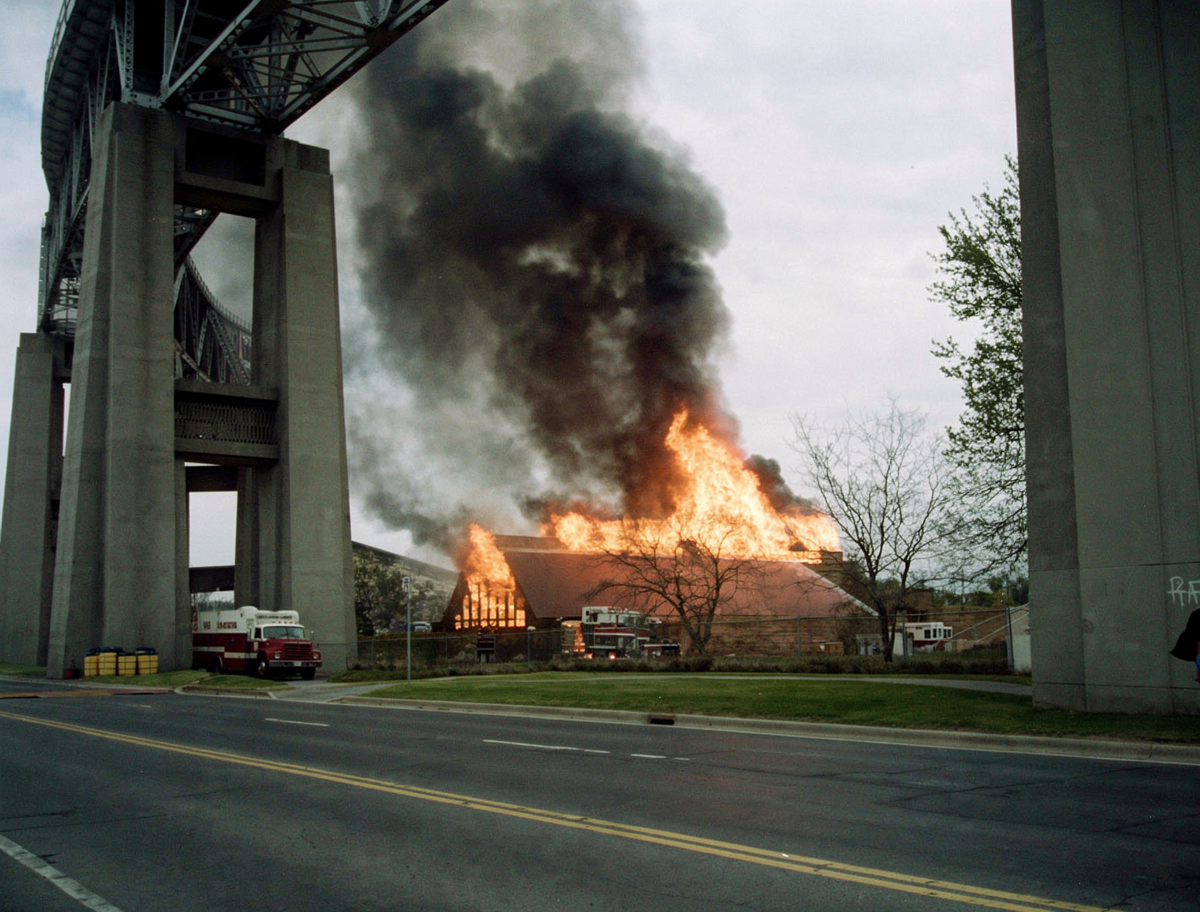 images/end-fire.pngThe fire
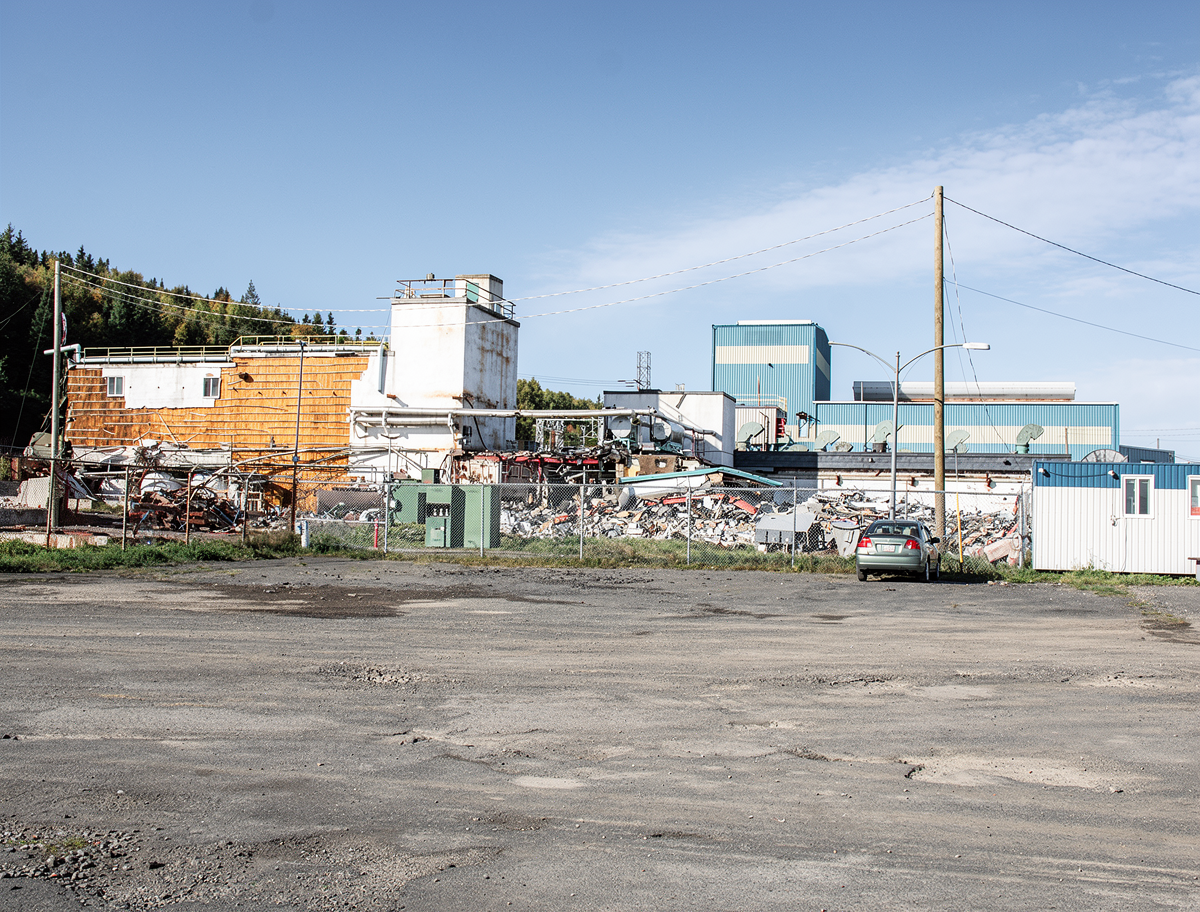 images/end-demolition.pngDemolition